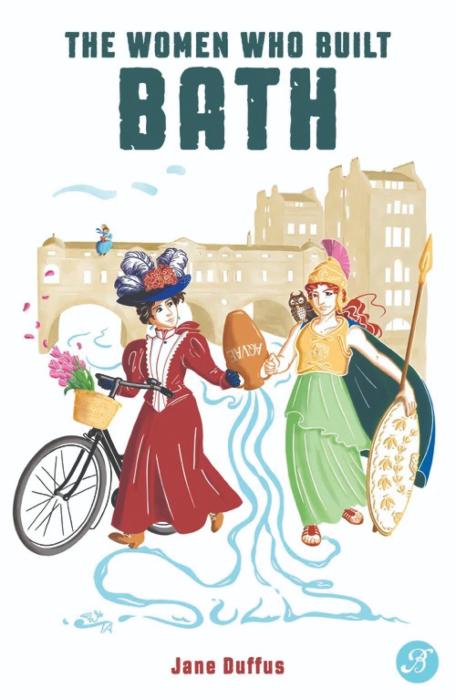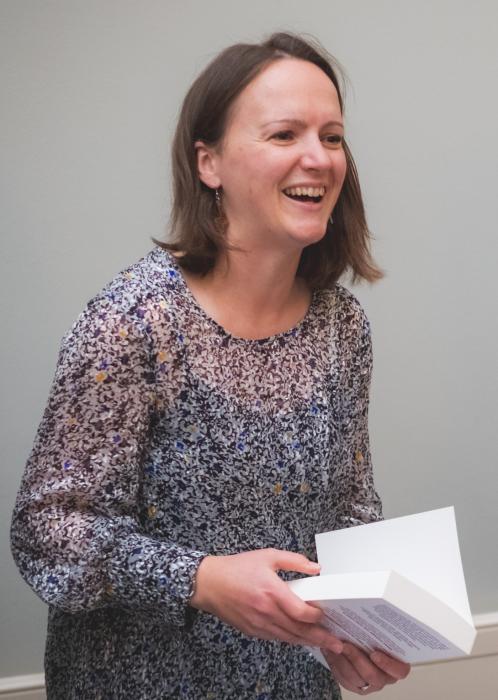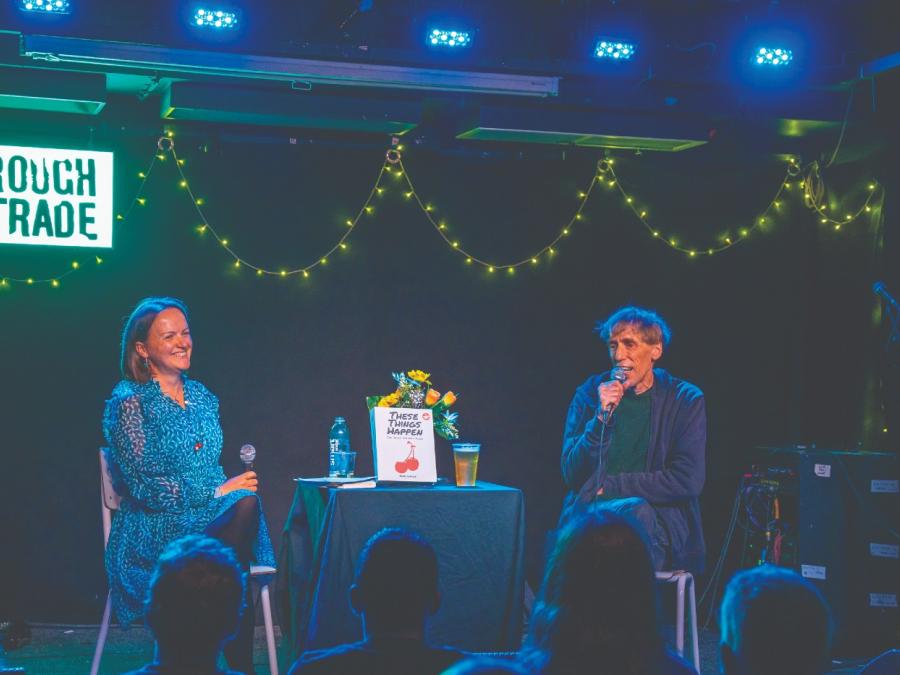
We hear from the indie-pop boffin and author of The Women Who Built Bristol, who turns her gaze to the overlooked women of Bath in a new book out in September
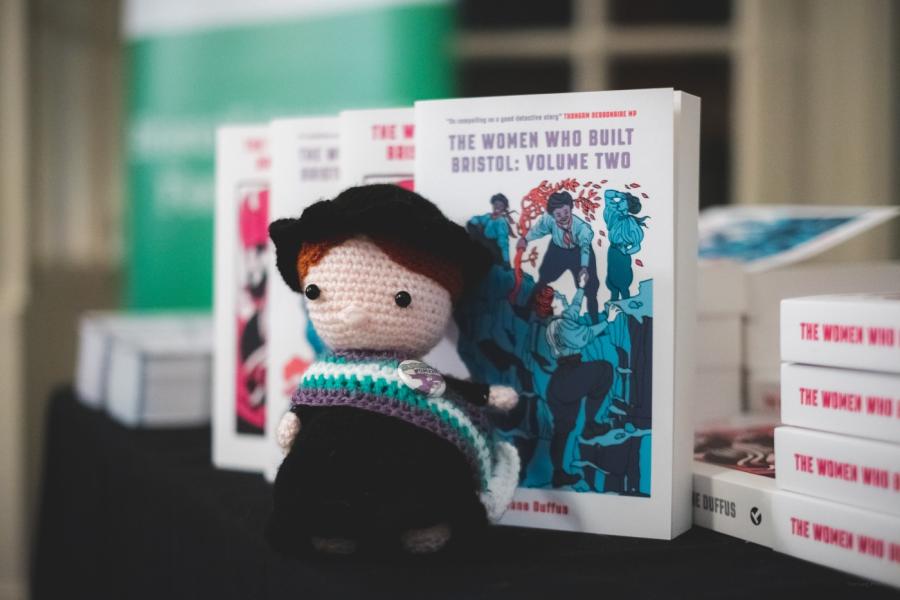
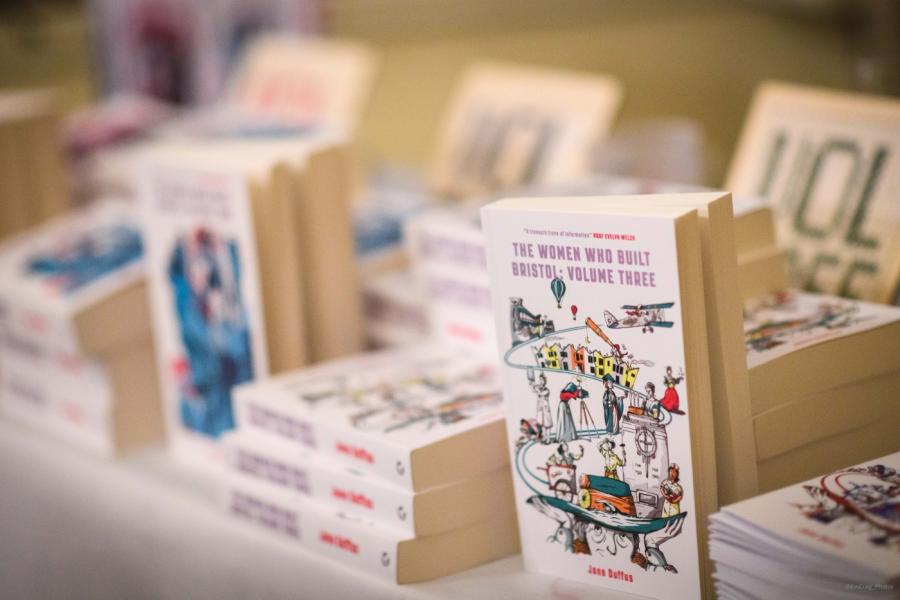
Why was I inspired to look into the history of Bristol through the lens of women? Frustration! I was annoyed that when I went to museums or I read local history books, they tended to be by and about men. Obviously there were a few exceptions, but it baffled me. Had no women done anything of interest in all the many centuries Bristol has been here? At the very least, who was giving birth to all these men?! Anyway, I did a little digging and found the 750 amazing but overlooked women who are included in the first three volumes of The Women Who Built Bristol.
Bath has treated its celebration of women a little better, but it’s still the same handful who pop up: Caroline Herschel, Jane Austen, Mary Shelley… There are just so many more who’ve been overlooked. Almshouse founder Ann Partis is a particular favourite of mine, and she will appear in my talks about The Women Who Built Bath.
I can’t pick one overall favourite, but I love the story of May Whitby from south Bristol. It was the early 1900s and she lived in a very working-class family, but loved going to the cinema, which was a new form of entertainment then. The films were still silent and had title cards with bits of dialogue or information on that moved the story along. But for people who couldn’t read, they were missing huge chunks of the films; illiteracy was very high back then, especially for poorer families. However, May would read out the title cards to people who couldn’t understand them and I think that’s such an extraordinary thing: to share that love of storytelling with other people.
I first came across indie-pop when I was about 12 or 13, when my older brother lent me a Talulah Gosh LP as he thought I might like it. He was right, I loved it. Talulah Gosh had disbanded by this point but many of the band’s members had evolved into Heavenly, who were signed to Sarah Records. Sarah was a DIY independent record label based in Bristol, although only two of the bands came from here. The outsider status definitely appealed to me as a teen: it was a space to express yourself that I didn’t see reflected on Top of the Pops. So I started an indie-pop fanzine when I was about 15, as a chance to ‘meet’ like-minded music fans around the world at a time when the internet didn’t exist. With the recent resurgence in enthusiasm for that scene, and the success of my book These Things Happen: The Sarah Records Story, I decided to launch a new fanzine, Zine Things Happen, about a year ago.
Women’s role in pop tended to be based on what they looked like rather than what they sounded like, but that slowly started to shift with punk. Men still dominated, but punk was a space and a culture that enabled women to pick up a guitar and give it a go, and slowly, ever-so-slowly, things have moved on since then. The bands on Sarah Records were often dismissed as being twee and naïve, but actually, that just means they have a lot more in common with punk than you might think. Punk is more of a spirit than a sound, and that spirit is one of getting up off your chair and, rather than just complaining that you don’t like how things are, actually doing something to change them.
Buy The Women Who Built Bath from janeduffus.com