From seed to plate, these southwest kitchens are taking matters into their own hands by growing their own
The pride that blossoms in your chest when you’ve grown something from seed is unmatched. A tomato grown by your own hand almost feels too precious to eat, but when you do, it’ll taste better than any other tomato. The smell of digging something up or plucking it from the vine… have you ever stopped to notice how good that smell is?
For restaurants, kitchen gardens act as a form of insulation against rising costs and supply chain challenges. Chefs who grow their own ingredients are more intricately connected to seasonality and ingredients, and they know instinctively to use something when it is at its best. Diners who’ve walked through the kitchen gardens and fields where their dinner is being grown before sitting down to eat will taste everything on the plate with greater clarity.
In our patch of the southwest, there’s quite the bounty of places stocking their own kitchens.
Michelin-starred Wilsons is leading the charge. Though you can’t walk around Wilsons’ farm, which is by the airport, you can taste the results. Nothing tastes more verdant than Wilsons’ farm herb sorbet, served with burnished Italian meringue as a bridge between savoury and sweet on every menu. It’s made up of whatever herbs the farm has an excess of that day, always picked fresh that morning, so no version of the sorbet is ever the same, but each one is invigorating.
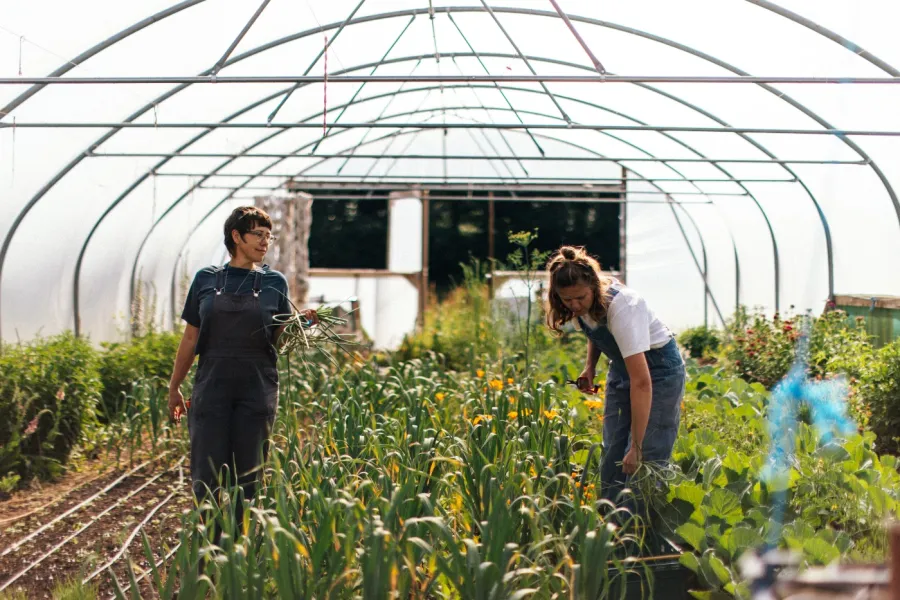
Wilsons’ head grower, Mary Wilson, believes growing is a natural extension of running a restaurant: “I grew up in a restaurant and sat round the tables of some of the best home cooks in the world, so produce has always been a topic of conversation and talked about with a lot of love and care. This has naturally extended to our own restaurant, and the market garden keeps the whole team connected to the food they’re serving and cooking. It informs everything we do.”
https://www.wilsonsbristol.co.uk/
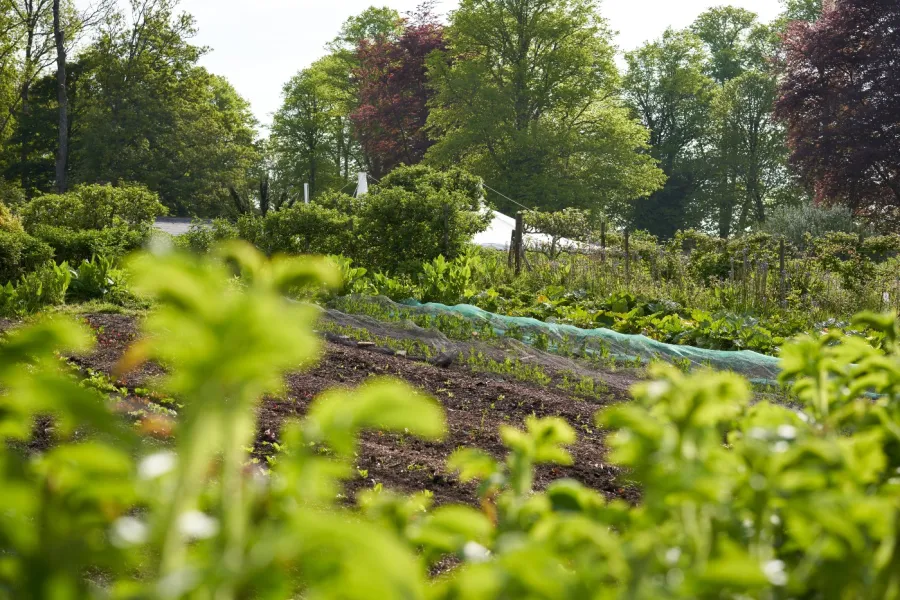
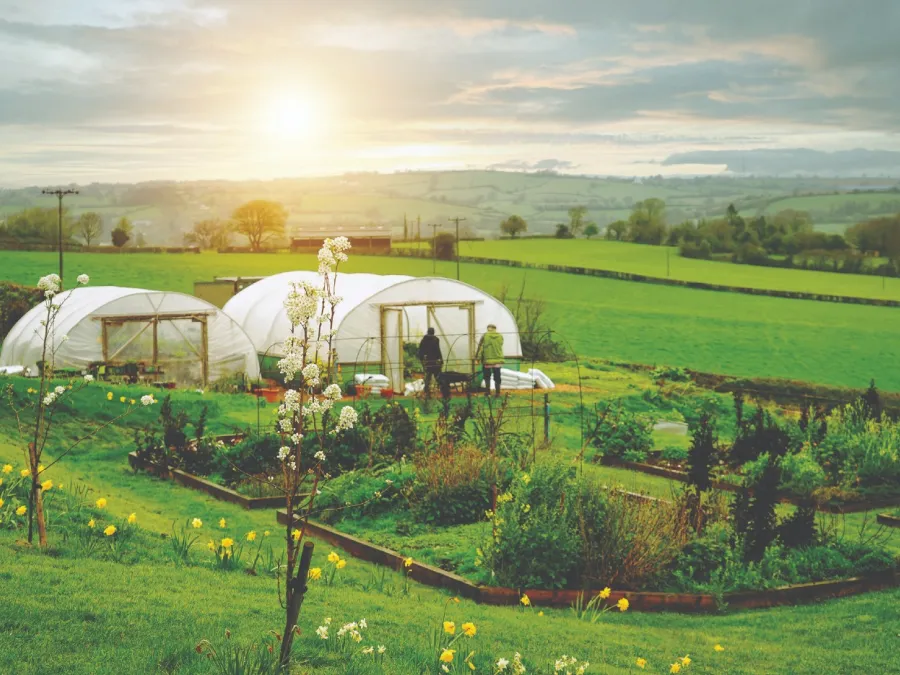
Half an hour south of Wilsons is The Pony Chew Valley, Josh and Holly Eggleton’s flagship. During Covid, Josh and Holly closed the then Pony and Trap to transform it into The Pony, which included landscaping the garden. A wander round the garden is the best way to start your meal, ideally with a glass of something in hand. Start on the curving path down towards an old cattle feeder, now packed with herbs, and then turn left to make your way through the bountiful no-dig beds and the two polytunnels. Head grower Tim offers regular garden tours, and those wanting to develop their green fingers can volunteer in the garden in exchange for lunch or attend a vegetable-growing class. The garden is represented in all aspects of the menu; dishes are garnished with garden herbs, which also make their way into drinks, vegetables become celebrated mains, and a bonus garden salad is served to everyone eating in the evening.
https://theponychewvalley.co.uk/
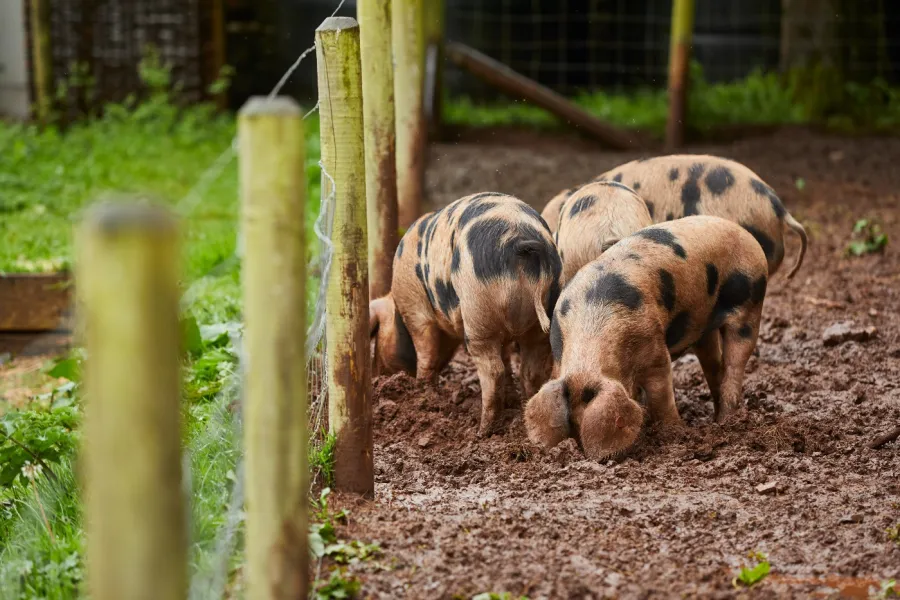
Nearby you’ll also find The Pig. Guests dining and staying in one of its handful of charming old houses are encouraged to wander the lush kitchen garden, polytunnels and greenhouses – but watch out for the free-roaming chickens. A free guided tour kicks off at 11am each morning, and the gardeners are happy to be pressed for growing tips. Round things off with lunch or dinner in the adjoining restaurant, starting with a zinging bowl of garden pickles for a taste of the homegrown magic.
https://www.thepighotel.com/near-bath/
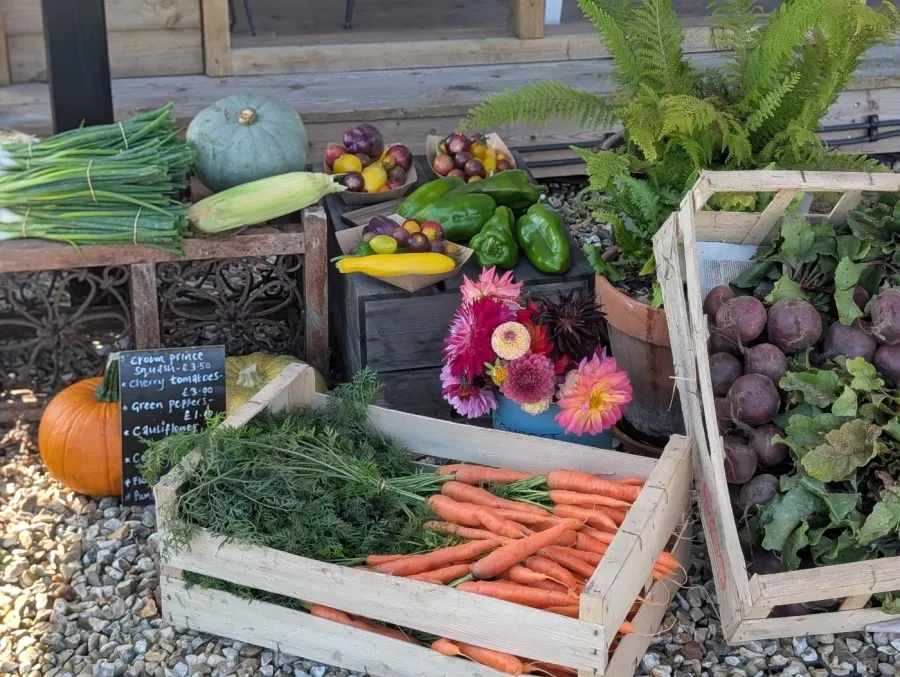
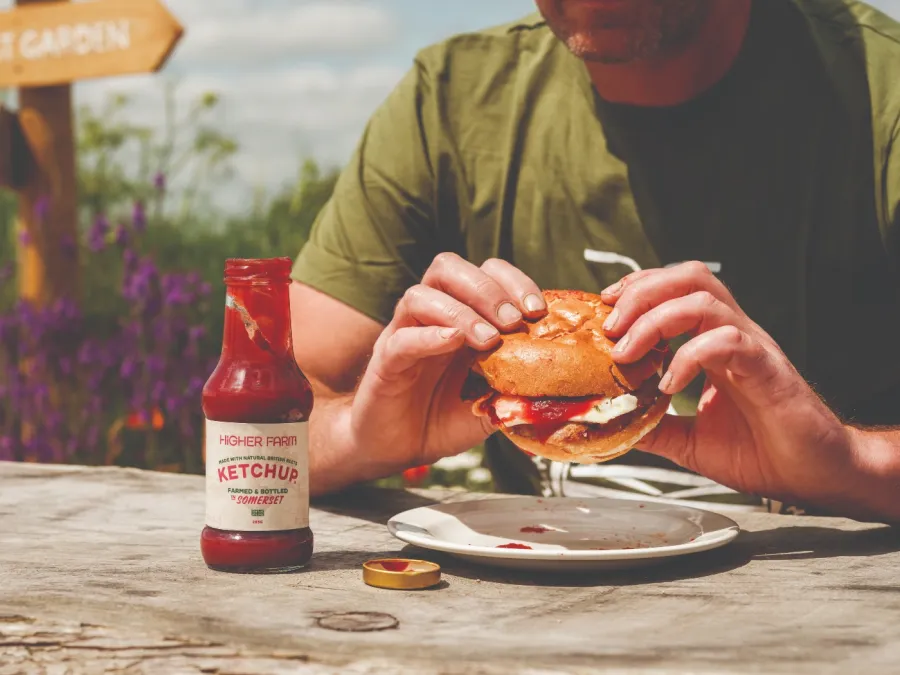
Further south, Higher Farm rewards the curious. This patch of land was taken over a few years ago by two brothers who were looking to escape the London finance game and is now a haven for regenerative farming. Pick your way through the fields on one of their self-guided tours, before stopping in the on-site farm bar for a refreshing drink and a sausage roll dipped in their iconic bright pink Higher Farm ketchup, made primarily from beetroots grown in the adjacent fields. Though they also grow peas, leeks, tomatoes and more, it’s with beetroot that the brothers are planning to take on Heinz. After all, does Heinz have a lake you can swim in and a sauna for afters? I think not.
https://www.higher-farm.co.uk/
Close to Bruton is another home-away-from-home for horticultural foodies. Though reserved for members only, The Garden Café at The Newt is the best place to enjoy the estate-to-plate ethos with bucolic views over the kitchen garden, where 350 varieties of fruits, vegetables and herbs make their way into the menu and spa treatments. There’s nothing quite like the quiet joy of deer-spotting through The Newt’s rolling fields and forest, and there’s enough stomping space to build up an appetite for a garden-led lunch or dinner in the more casual Farmyard Kitchen, which is open to members and non-members alike. Just be prepared to have your venison and eat it – it’s a Newt speciality.
https://thenewtinsomerset.com/
At Pythouse Kitchen Garden near Tisbury, the spoils from the three-acre walled garden are set off by some serious fire cooking. Every dish on the menu features at least one ingredient grown in the adjoining garden, aided by a commitment to preserving and pickling the bounty of the seasons. A pre-meal meander around the fields is encouraged, and those who can’t bear to drag themselves away can book an overnight stay in the glamping field or one of the on-site shepherds’ huts. Pythouse is also the home of award-winning Sprigster drinks: a series of non-alcoholic botanical infusions brewed with the spoils of the garden.
https://www.pythousekitchengarden.co.uk/
Pushing the nearfield remit to its very limits is our most southerly entry and the most unexpected: a kitchen garden and restaurant on an industrial estate. Olive Kitchen in Martock is an oasis hidden behind a large warehouse, and though the adjoining plot of land where vegetables and fruit are grown is small, not a centimetre is wasted. Breakfast and lunch are the main fare, both imbued with ingredients grown mere metres away and all the more delicious for it: pulled lamb leg sits atop a mound of peas and broad beans, strewn with edible flowers and herbs. It’s a wipe-the-bowl-clean kind of stuff.
https://www.olivekitchensomerset.uk/
The southwest’s kitchen garden movement is, quietly, one of the most hopeful things happening in British food right now. And there’s an added bonus: a visit to any of the above – the gardens, or simply the restaurants and cafés serving up homegrown produce – will have you rummaging in the back of your shed for a trowel and gardening gloves, because there’s nothing more joyful than growing a garden that not only looks beautiful but feeds you – heart, soul and belly.