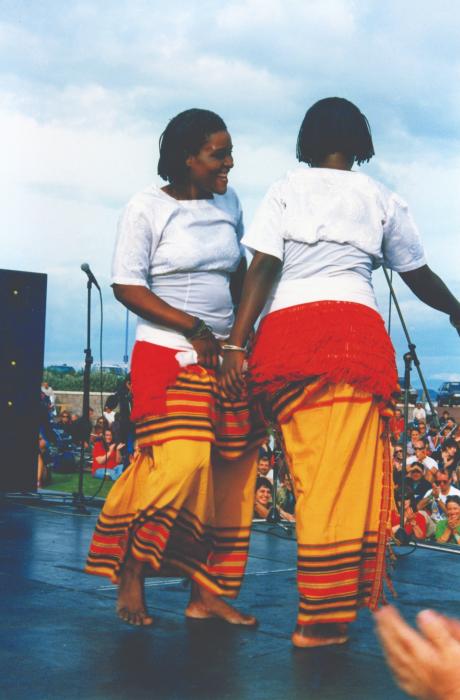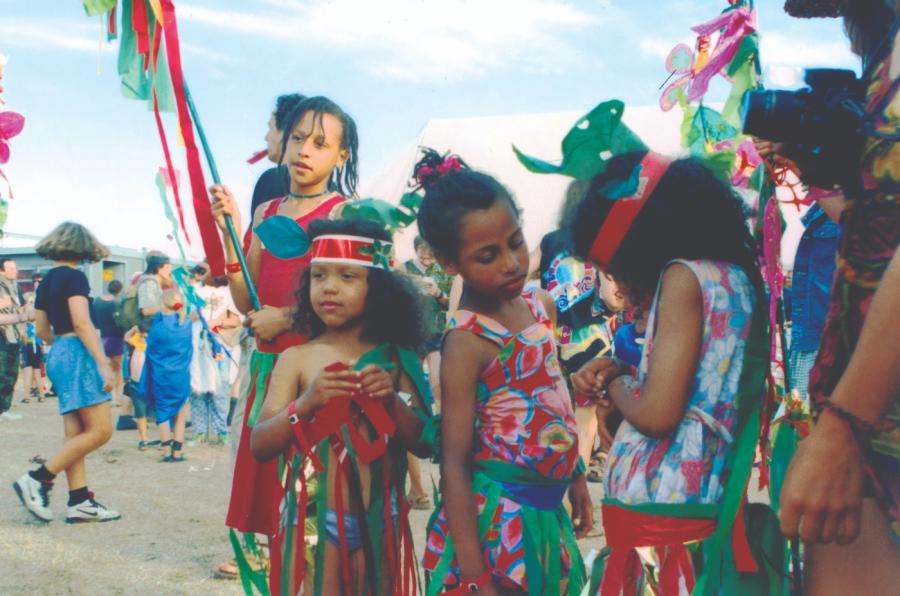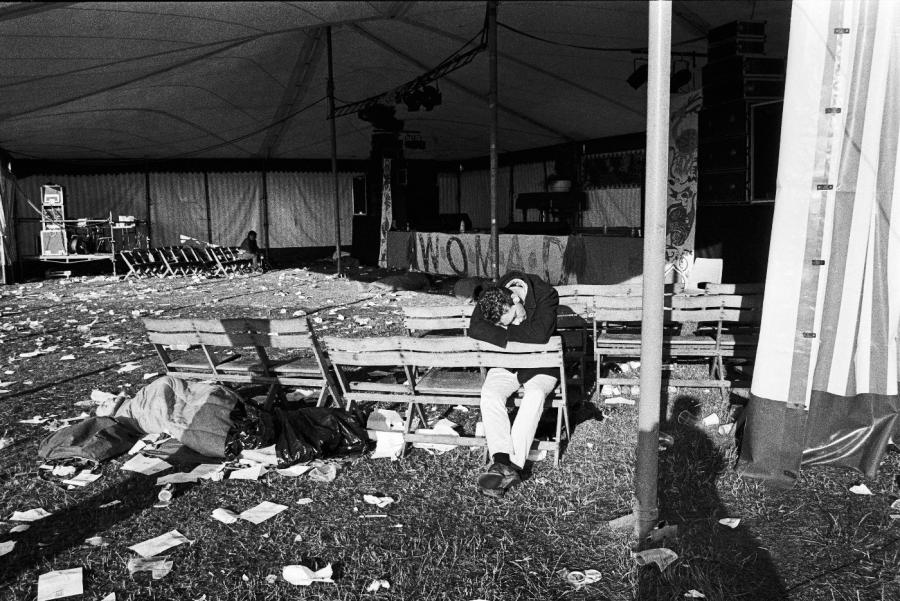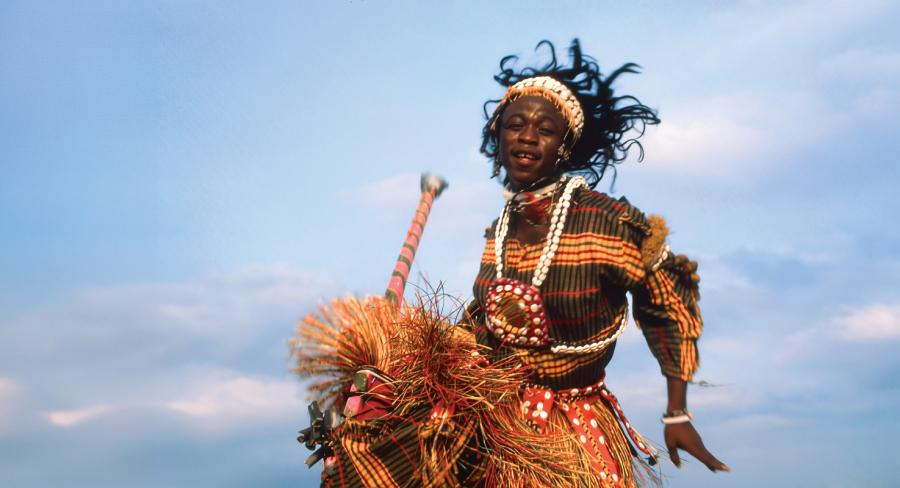
As WOMAD sets up in its new home in Corsham, we hear from some of those involved with the festival over the past 44 years
For music festivals to endure, they need an underlying story that’s easy to grasp. Glastonbury glimmers, a collective fever dream, even when it’s a chilly mud bath. Boomtown is a messy escape from reality. Reading rocks, or at least it once did. And then there’s WOMAD, the World of Music, Arts and Dance, which welcomes citizens from everywhere and celebrates how much we have in common.
With the geopolitical situation so dire, we’ve arguably never needed WOMAD more. As Paula Henderson, the festival’s director of programming, says, “There are awful things happening in the world, and I think to show diversity and solidarity is actually really key. I think people will embrace that.” But this year is notable for another reason too, as WOMAD moves to a new home: Neston Park near Corsham, close to the festival’s administrative base at Real World Studios. The move follows a fallow year when, in the words of co-founder Peter Gabriel in 2024, organisers went through a process of “re-evaluating, regenerating and reinvigorating” the festival.
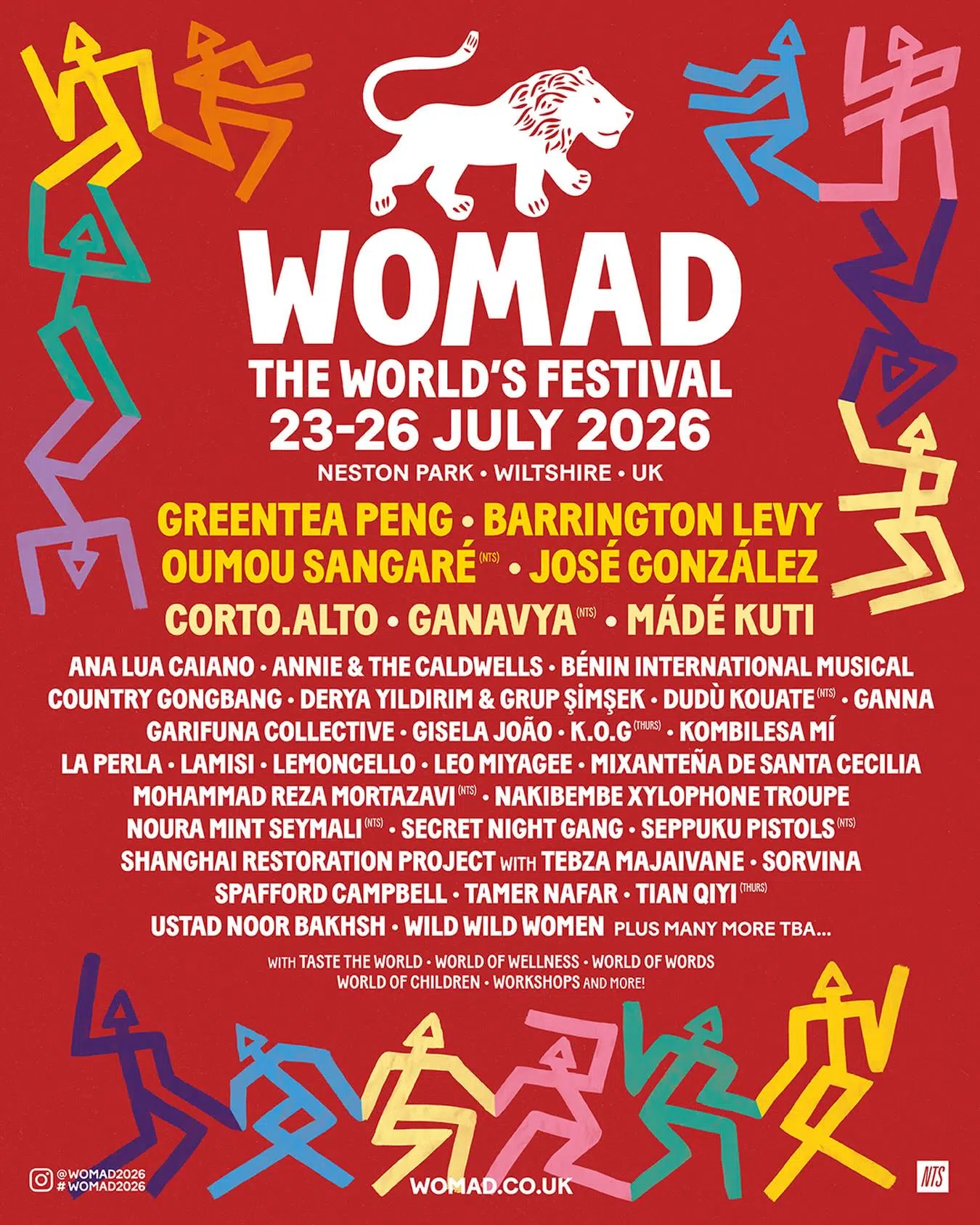
What hasn’t changed is the free-ranging brilliance of the line-up. Between 23-26 July, London’s Erykah Badu-influenced neo-soul star Greentea Peng, Malian singer Oumou Sangaré, reggae and dancehall legend Barrington Levy and Heartbeats singer José González will all perform headline sets. Further down the bill, things get even more interesting, with spellbinding spiritual jazz from US-based Tamil composer Ganavya, Anatolian psych-pop band Derya Yıldırım & Grup Şimşek and Pakistan’s octogenarian Ustad Noor Bakhsh, with trance-like compositions inspired by birdsong and played on the zither-like benju. Mádé Kuti will also be appearing. The son of Femi and grandson of Afrobeat pioneer Fela, Mádé began performing with his father’s Positive Force band while still a kid.
“I remember being much younger with my dad at a WOMAD festival and keeping the T-shirt for several years,” Mádé tells us. “I was curious to see if there’d be any footage of me playing with him that year and my wife found a photo from 2006! Twenty years later and I’m back with my own band, which is very exciting.”
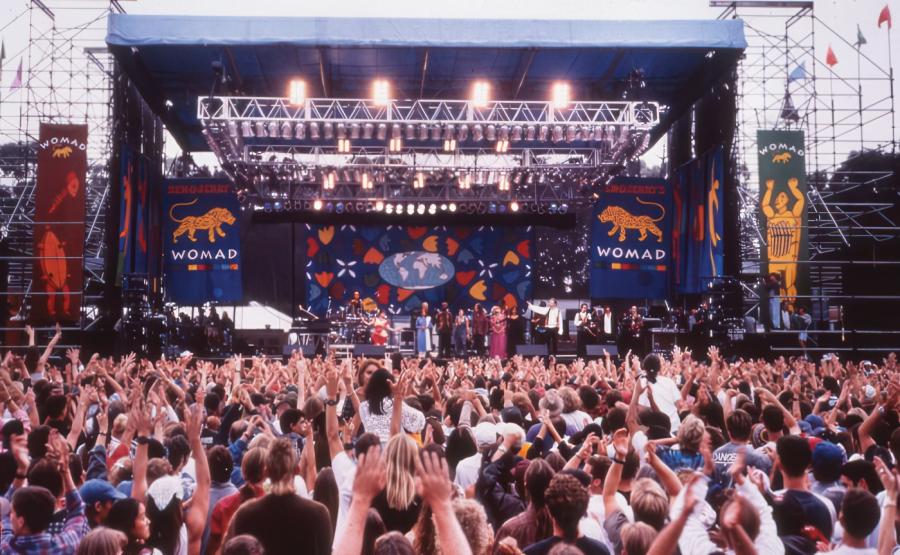
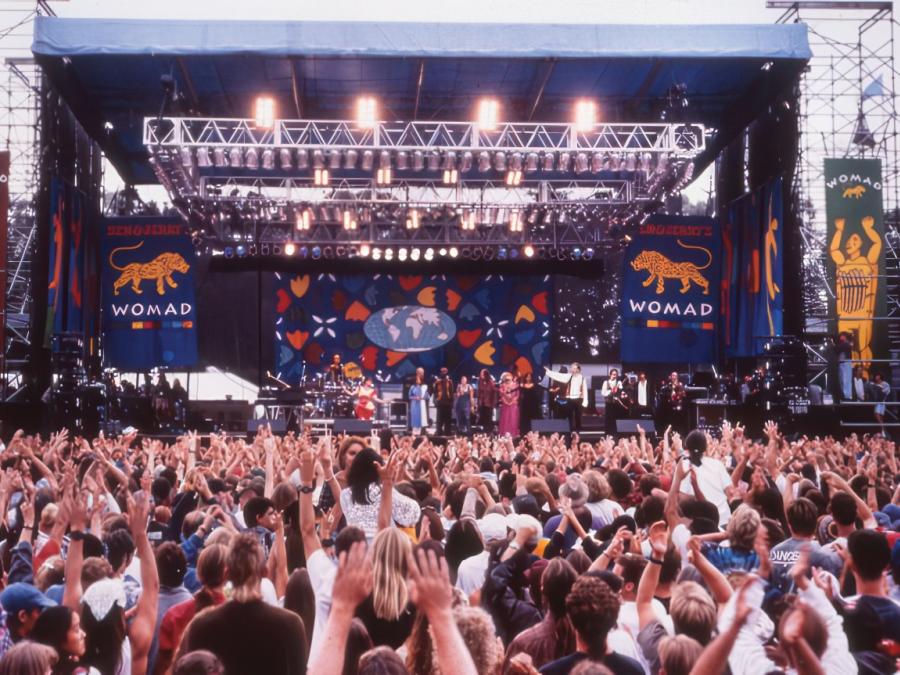
Mádé’s words are a reminder of WOMAD’s long, proud history. The first festival was held at the Bath & West Showground in 1982, and featured the likes of Peter Gabriel, Don Cherry, The Beat and Drummers of Burundi. It was almost the festival’s last year too, a financial disaster that left Gabriel heavily in debt.
Salvation arrived via the medium of prog rock. On 2 October 1982, Gabriel joined his former Genesis bandmates for a one-off benefit concert, Six of the Best, at Milton Keynes Bowl. WOMAD’s future was, if not secure, at least a possibility. Despite occasional setbacks, the festival has since gone from strength to strength, arguably helped by a meeting at a north London pub on 29 June 1987. Here, figures including the DJ Charlie Gillett and groundbreaking record producer Joe Boyd, came up with a campaign to market what they dubbed “world music”. While many disliked the term – seeing it as both exoticising and oversimplifying – a genre was born.
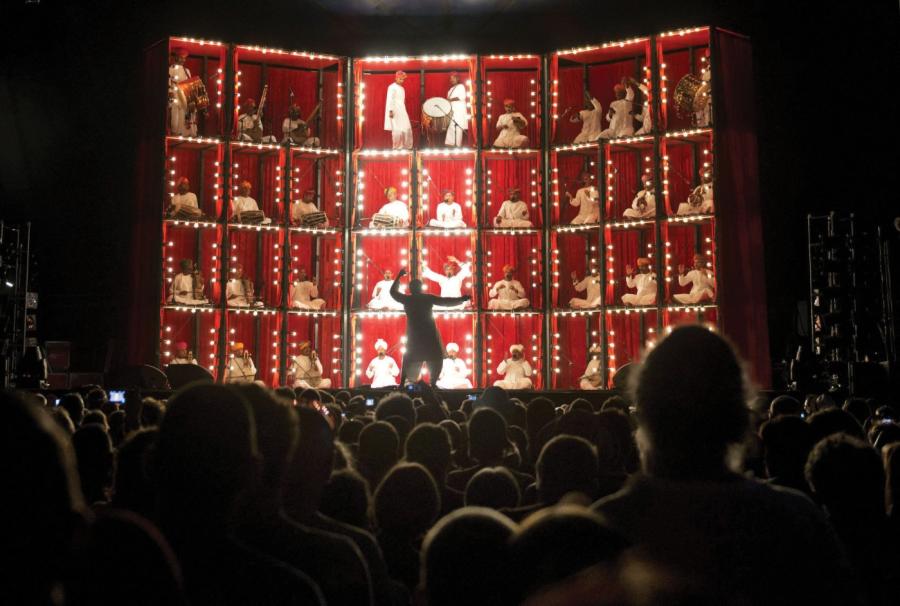
It turned out there was an audience for those who, to quote Paula Henderson, are interested in “music discovery”. Many of those who have been attending WOMAD longest, she says, aren’t necessarily that bothered by the headliners. “They want to go home with that unique CD of Japanese punk bands that have never been to the UK before,” she says. One memorable example of an act you wouldn’t have known you needed to see until you did came in 2012, when WOMAD hosted The Manganiyar Seduction, a project created by Indian director Roysten Abel and featuring multiple musicians from Rajasthan, each performing in square boxes stacked atop each other. It was an arrangement that, depending on your perspective, recalled Amsterdam’s Red Light District, the window-dotted facade of the Hawa Mahal palace in Jaipur or Celebrity Squares. It’s a show Paula remembers well.
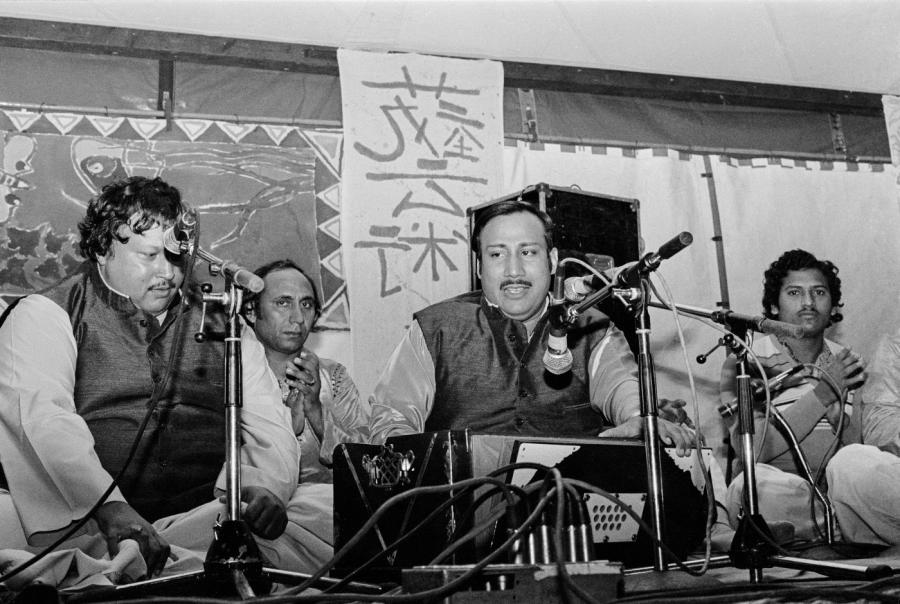
“The structure came but we had to supply light bulbs,” she says. “‘Yeah, that’s fine, no problem.’ We sent out a runner to get the bulbs, but he bought energy-saving ones that took ages to switch on. We sent him back to buy cheap, not very efficient bulbs.” It was worth the effort. The performance was “magical”. Paula also recalls watching the master of devotional qawwali music, Nusrat Fateh Ali Khan, and thinking, “This is something that you could just not see anywhere else.” The Pakistani musician’s debut WOMAD appearance in 1985, on a bill that also featured New Order and The Fall, was a landmark: a four-hour wave of emotion that turned western audiences on to the transcendent sounds of Sufism and changed perceptions of global music.
Other artists too have given performances that have endured. Youssou N’Dour’s appearance in 1986, the same year he contributed to Peter Gabriel’s So LP, helped propel the Senegalese singer to global stardom. Closer to the present day, 76-year-old Brazilian singer Dona Onete, the Queen of Carimbó, commanded the stage from a jungle-themed throne in 2015.
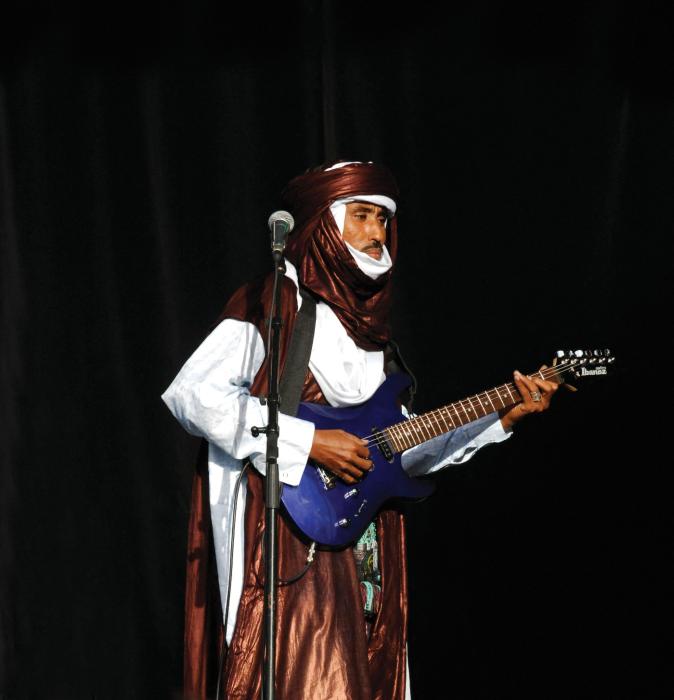
But WOMAD isn't just about the biggest performances. Annie Menter is curator of the Taste the World stage, where “musicians come and cook, and they talk about their lives”. She recalls when the desert blues band Etran Finatawa from Niger fetched up. While most of the musicians made tea for the crowd, one band member, who had learned to cook in a refugee camp, was “absolutely immersed” in preparing a stew.
“The host asked him, ‘What does the desert represent to you?’” Menter says. “And he said, ‘It’s paradise.’ You would never think that people would think of sand and yet more sand as being paradise, but for him, the smells, the light and the silence were absolutely wonderful. You can create an atmosphere in the tent where everybody is locked in. That might be a very frenetic atmosphere or it might be very thoughtful and contemplative.”
Things don’t always go to plan. When the band led by Colombian singer Totó la Momposina cooked, their recipe called for coconuts. These proved to be mouldy inside. A quick dash to the coconut shy at the festival’s fairground averted disaster.
This July’s event will likely provide similar magical moments. Or even just a first encounter with your new favourite artist. And to return to where we began, such moments of happenstance and connection are needed. When she speaks to us, Paula is at WOMADelaide in Australia. Over the years, WOMAD has increasingly staged events overseas – WOMAD Cáceres in Spain, for instance, dates back to 1992. Over the previous weekend, Paula explains, she and her team had been busy booking artists onto flights that, because of the growing conflict in the Middle East, could not go via Dubai or Doha.
The last time Paula did something similar was when the 2010 Eyjafjallajökull eruption in Iceland grounded flights across Europe and she needed to get musicians to a WOMAD in Abu Dhabi. She was forced to charter a flight from Marseille. Musicians and crew made their way south overland, but Paula’s work hadn’t ended. Via mobile phone, she had to confirm to the airport authorities that everyone was checked in and it was OK to shut the plane’s doors. “And they said, ‘Can you confirm you’re happy for the flight to take off?’ At that point, I just went: ‘I think that’s a bit above my pay grade.’”
WOMAD takes place 23-26 July at Neston Park, Corsham