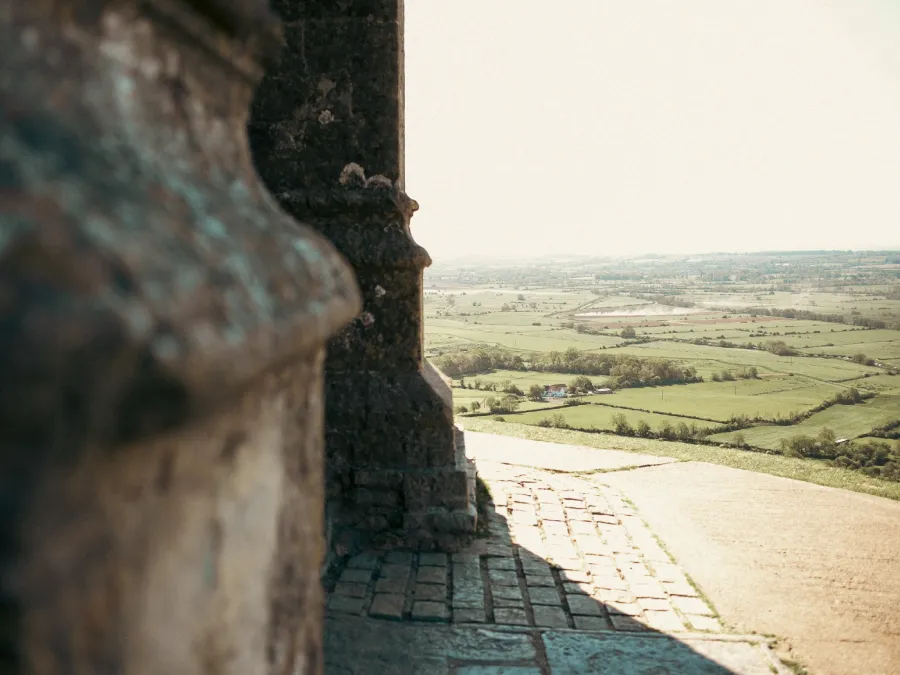
While the crowds descend on Stonehenge, Wessex Hag leads us on a more intimate 10-mile solstice walk around Glastonbury, beginning at dawn
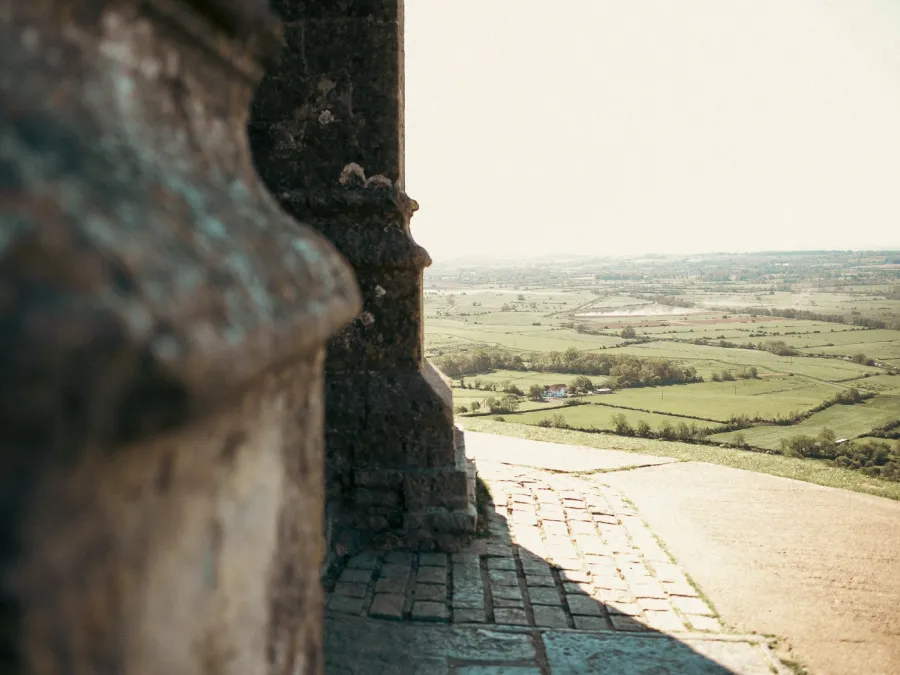
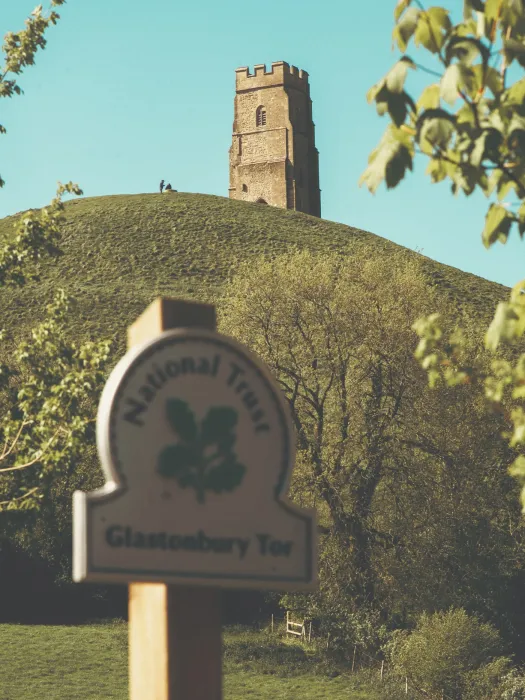
Imagine you’ve stayed up all night – or woken impossibly early – ready to climb the hill alongside hundreds of fellow bleary-eyed pilgrims, a palpable sense of anticipation building as the morning light creeps over the horizon. If there was ever a way to experience quintessential Glastonbury, it is sitting at the top of the Tor, shrouded in plumes of incense on the morning of the summer solstice, surrounded by singing, drumming and cheering as a golden sunrise* spills over a panoramic view of Somerset.
The atmosphere speaks of the cultural worth of storytelling, imbuing such places with lasting significance and offering an inheritance of ancient ritual that has unfolded on this site for more than a thousand years. Known as the Isle of Avalon, Britain’s most enduring legend says that the fabled King Arthur sleeps in the heart of this hill. But forget sleep – it’s time to begin our midsummer journey, lest we nod off at the feet of Druids.
On the path down to Dod Lane, look out for the Tibetan prayer wheels, making sure to give them a spin to start your solstice hike with a little good luck. The shops aren’t likely to open till mid-morning, so bring snacks and water to see you through. I’m questing out with my dog, Chase, so I’ve brought a collapsible bowl and treats to keep him going too.
In Glastonbury, you never know who, or what, you’re going to see. Druidic priestesses, barefoot wizards and international tourists form a vibrant community that makes every day feel novel. Weaving through the town, New Age symbols adorn windows; green men keep watch over porches as prayer flags tangle through rose bushes. As we exit through an industrial estate, I’m tickled by how many businesses use mythical nomenclature to stake their claim in the land: Avalon Tyres, Lancelot Windows, Tor View Self Storage.
We follow the Glastonbury Canal across dead-flat fields through wildflowers and glossy grasses. The dappled shade of ash and oak drapes over the water, reminding me of the south of France, especially as a bikepacking couple pedal past nearby, crunching along the white gravel path. Chase slips into the canal for a gentle wallow, drying off almost instantly in the warm summer wind.
On a long stretch of silent walking, the natural magic of this storied landscape encourages deep contemplation. Miles of marsh and moorland melt past with the pleasant white noise of wind through the trees. The slick black body of a cormorant lifts from the water, circling us in a great horseshoe before vanishing beyond the trees.
The RSPB car park at Ham Wall provides a welcome refreshment stop near the midway point of our hike. The volunteers helpfully show us the water refill point where both Chase and I take generous swigs before finding a shady spot to rest with a Magnum. The reedbeds and wetlands offer a view that could be placed at any point in time. I pick out a peculiar noise among the rustling leaves that sounds like someone blowing over a bottle. A bittern! The famous ‘boom’ of Britain’s loudest bird can be heard up to three miles away. If you hear this wonderful sound, the bittern could be hidden anywhere in the marshes, in faraway reeds or crouching right beside you.
Cutting south on the return journey to Glastonbury, I’m surprised to encounter the rare practice of peat farming, revealing Guinness-black soil underfoot. The open wounds of the dark earth bring to mind the timeless suspension of bog bodies.
Along the River Brue, look out for a large stone poking out from the grassy bank, appearing like an old milestone. It bears a weather-worn Celtic cross with the words SAINT BRIDE, surrounded by little offerings from passing travellers. This once marked Bride’s Well, part of a site excavated to reveal what is believed to be a fifth-century monastic burial ground.
We’re soon confronted by a hazard sign warning ‘DANGER’, with the image of a badger. These creatures are notoriously vicious if cornered by a dog, so I take a second to assess our predicament, before realising the sign specifically warns of the uneven ground caused by badgers. A minor thrill somewhat dampened, I proceed with Chase close at heel. Sure enough, the footpath is pocked with badger setts! This mustelid metropolis is an impressive exhibition of their complex housing systems, and the holes along the path are both wide and deep, so watch your step.
It’s time to leave the flatlands and ascend a winding path up Wearyall Hill, following a meadow with grazing highland cattle. Sheep roam freely over the hill so ensure dogs are kept on short leads. The climb reveals astonishing layers of social history. The busy thoroughfare along the base of the hill was once taken by the doomed men of the Monmouth Rebellion, over three centuries ago. Across the road, a handsome red brick chimney rises high above the remains of a tannery which once manufactured Muhammed Ali’s boxing gloves.
The hill’s most famous story is the legend of Joseph of Arimathea bearing the Holy Grail. A wealthy tin merchant, he arrived by boat to the Isle of Avalon, climbed the hill and, thrusting his staff into the summit, announced, “We are weary, all!” Hence, the hill was named. By morning, his staff had taken root, growing into the Holy Thorn of Glastonbury, a hawthorn that flowers both at Christmas and Easter. The tree suffered multiple acts of vandalism over the centuries, but descendants were grafted to continue its world-famous legacy, with a blossoming sprig sent to the monarch’s table every Christmas morning.
The descent into the town marks the final leg of our mystical ramble. If you set off in the early morning, you should be back in Glastonbury as it’s getting hot; the perfect time to visit the White Spring for a bracing dip before completing the loop up the Tor. This Victorian well house is one of the most beautiful man-made features of Glastonbury, with candlelit pools, shrines and calcite-rich waters, open to all for a donation.
Finally, reward your midsummer quest with a stop at the George and Pilgrims, a stunning 14th-century pub and one of Britain’s oldest inns, founded to slake the thirst of weary travellers pursuing the sacred sights – much like you, me and Chase.
Follow Wessex Hag @wessex_hag @weird_somerset.
Photos by Jon Barrett, find his @jon_barrett_photos